
What to Expect from a Modern Homeschooling Experience
For many families, the idea of homeschool begins as a niggling doubt about their child’s ability to reach their full potential in their current school setting.
Parents might find themselves asking if their child could be learning in a way that suits their lifestyle or personality better, or if they would feel more confident and engaged in a different environment. At the same time, the idea of stepping away from traditional schooling can feel uncertain. Without a clear picture of what homeschooling actually looks like, it can be difficult to imagine how a child’s day would be structured or how their education would be guided.
In reality, modern homeschooling is far more structured, connected and supported than many people expect.
A Different Kind of School Day
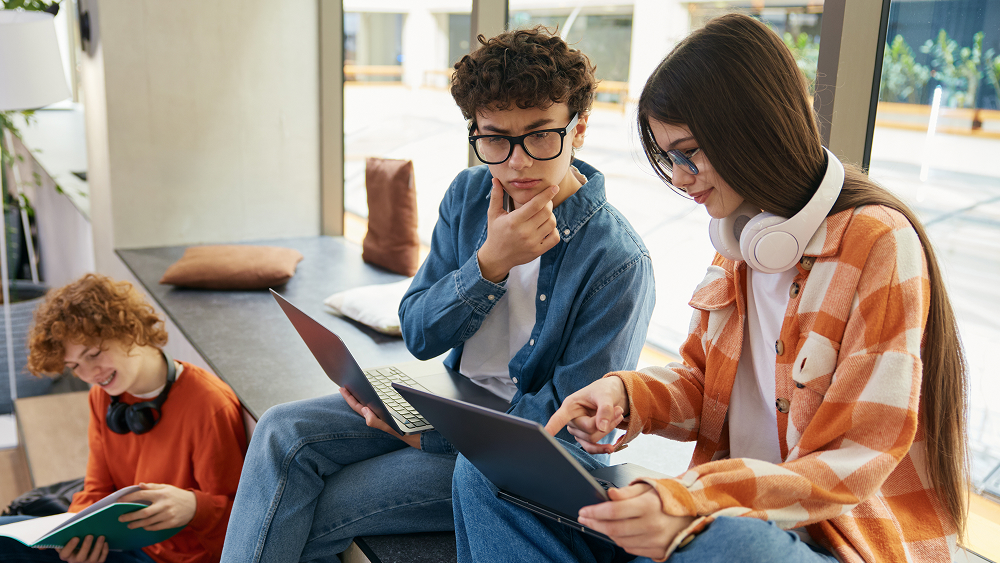
A typical day in a modern homeschooling environment combines structure with flexibility. Families get to skip the morning rush-hour commute, as students begin their day by logging on for live online lessons. These sessions, led in real-time by qualified teachers, provide guidance, explanation, and interaction. They mirror traditional classrooms in this respect, but they are often in smaller, more focused groups.
Outside of live lessons, students spend time working independently. They complete assignments, review material, and build the habit of managing their own learning. This balance between guided teaching and independent work helps students develop both academic understanding and personal responsibility.
Learning with Support, Not in Isolation
One of the most common concerns parents have is whether their child will be learning alone. In practice, modern homeschooling is rarely a solitary experience. Students are supported by subject experts who guide their progress, provide feedback and ensure they remain on track academically.
At the same time, they interact with peers through discussions, group work and shared learning experiences. In many cases, students are part of a global classroom, connecting with others from different backgrounds and cultures. So, contrary to being isolated, many homeschooled students are actually part of a learning community that extends far beyond a single physical classroom.
A Pace That Fits the Student
One of the biggest advantages of homeschooling is the ability to adjust the pace of learning. In traditional classrooms, lessons must move at a standard pace which is more aligned with curriculum goals, as opposed to deep understanding. This inevitably means that some students will get left behind. Of course this is not the teacher’s fault, it’s just an inherent flaw in the system.
In a homeschooling environment, there is often more space for students to fully understand a concept before moving on, or to progress more quickly when they are ready. This is partly due to the smaller class size, and partly due to the innate flexibility which is built into the homeschool model. The effect is that frustration is greatly reduced for students who feel left behind, and there is also room to challenge those students who might already feel bored. Over time, many students develop greater confidence in their ability to learn and solve problems independently.
Room to Grow Beyond the Curriculum
Education is not only about completing assignments or preparing for exams. It’s also about developing interests, confidence and a sense of curiosity. With greater flexibility in the school day, many students have more time to explore their passions; whether that is sport, music, technology, or the arts. These pursuits often play a crucial role in helping students discover their strengths and build a sense of identity beyond academic achievement.
A Clear Path Forward
Despite its flexibility, modern homeschooling does not mean sacrificing academic rigour or future opportunities. Students follow recognised curricula, complete formal assessments, and work towards qualifications that are accepted by top global universities.
With the right support in place, homeschooling can provide both the freedom to learn effectively and the structure needed to progress confidently towards higher education and beyond.
Seeing the Bigger Picture
For many families, homeschooling becomes less about leaving traditional school and more about being intentional with the choices they make for their child. It offers a way to combine structure with flexibility, guidance with independence, and academic progress with personal growth.
Understanding what homeschooling looks like in practice can turn what once felt uncertain and a little scary, into something much clearer: an alternative approach to education that is thoughtful, supportive and designed to help each student thrive.